Surgical Tooth Extraction in Dubai
Careful Removal of Difficult Teeth
Surgical Tooth Extraction in Dubai
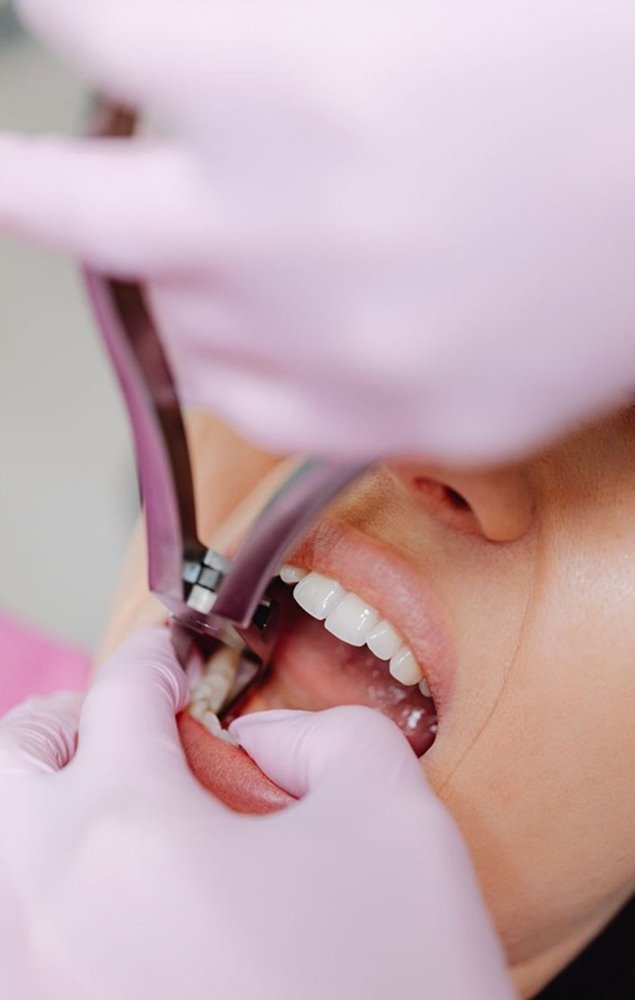
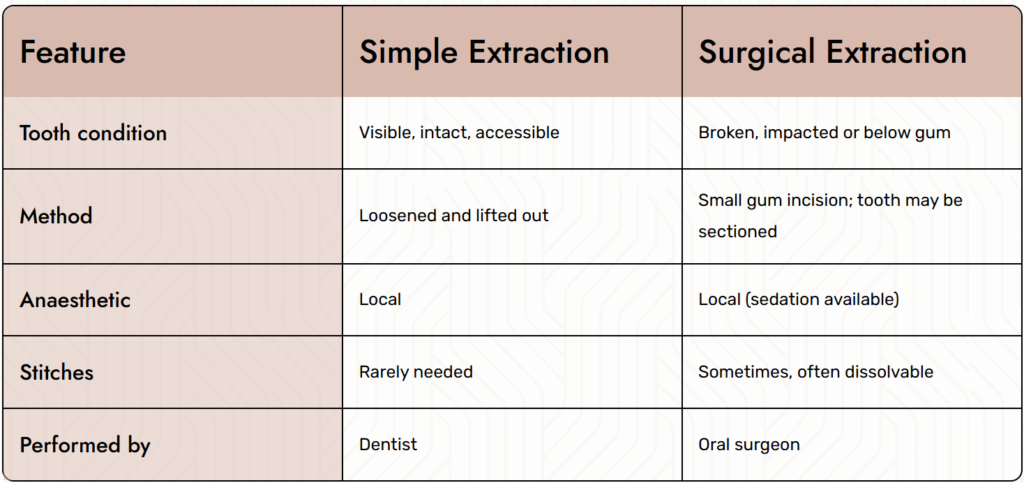
Most teeth can be removed, loosened and lifted out in a routine procedure. But some can’t. A tooth that has broken at the gum line, hasn’t fully come through, has long or curved roots, or is firmly anchored in the bone needs a surgical extraction: a more controlled approach that lets the surgeon remove it safely and with minimal trauma to the surrounding area.
It sounds more daunting than it is. A surgical extraction is a routine procedure for an oral surgeon, done under local anaesthetic, and often more comfortable than struggling to remove a difficult tooth any other way.
At Pure White, our oral surgeon in Mirdif performs surgical extractions for broken-down teeth, retained roots, impacted teeth and other cases that need more than a simple removal.
How a Surgical Extraction Works
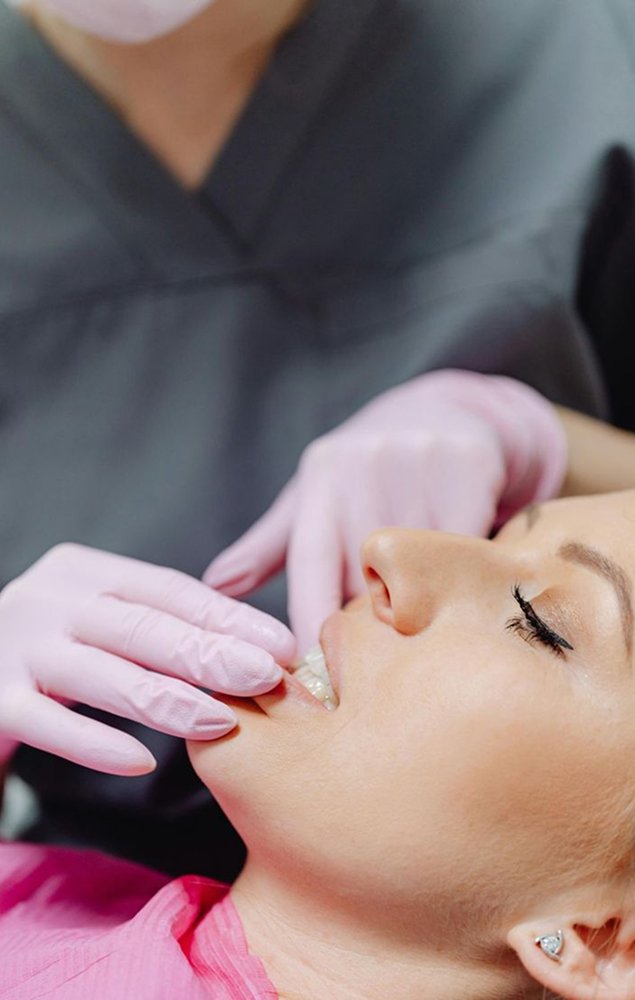
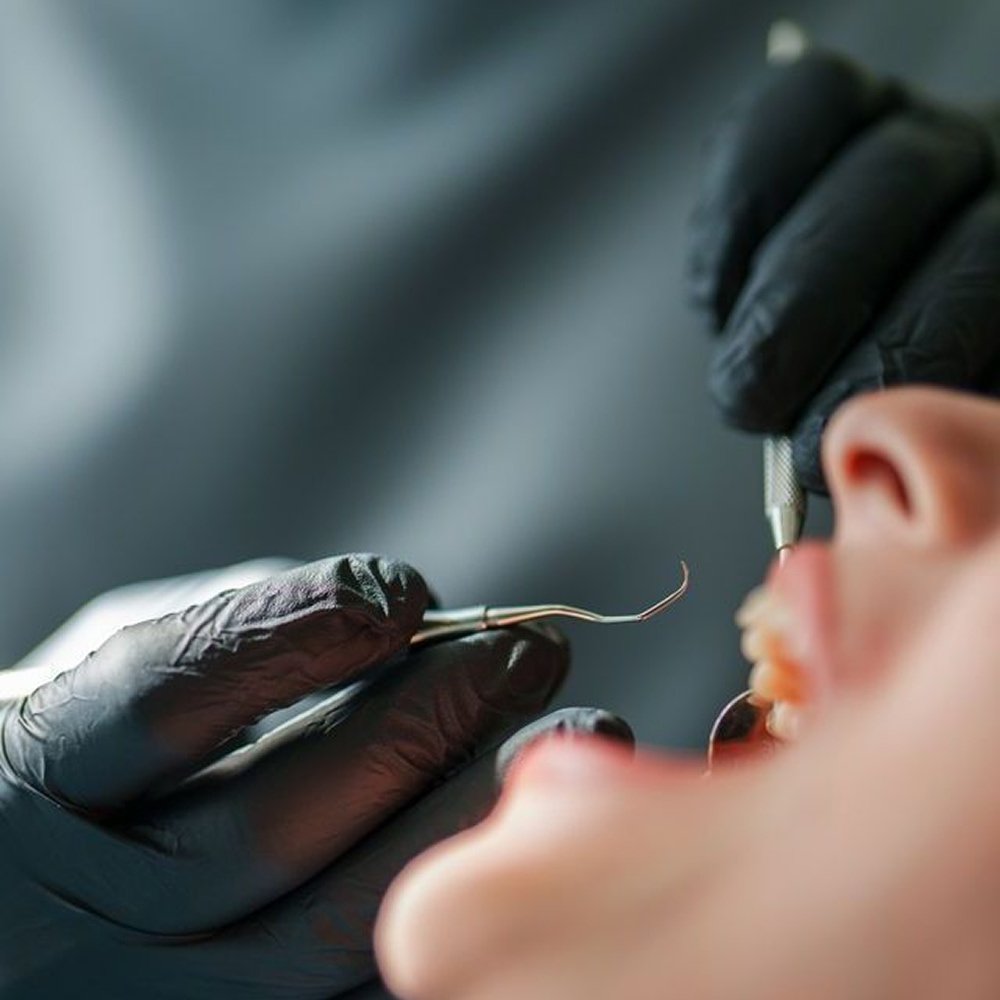
After numbing the area thoroughly, the surgeon makes a small opening in the gum to access the tooth. Depending on the case, the tooth may be gently divided into sections so each part can be removed through a smaller space, which protects the surrounding bone and tissue. The area is then cleaned and, if needed, a few dissolvable stitches are placed to help it heal.
The whole point of the surgical approach is control, removing a stubborn tooth in a planned, careful way rather than forcing it.
When a Surgical Extraction Is Needed
- A tooth broken or decayed below the gum line
- Roots left behind after a tooth has fractured
- Teeth that haven't fully erupted (impacted)
- Long, curved or unusually shaped roots
- Teeth too firmly anchored for a simple extraction
Simple vs Surgical Extraction
What to Expect
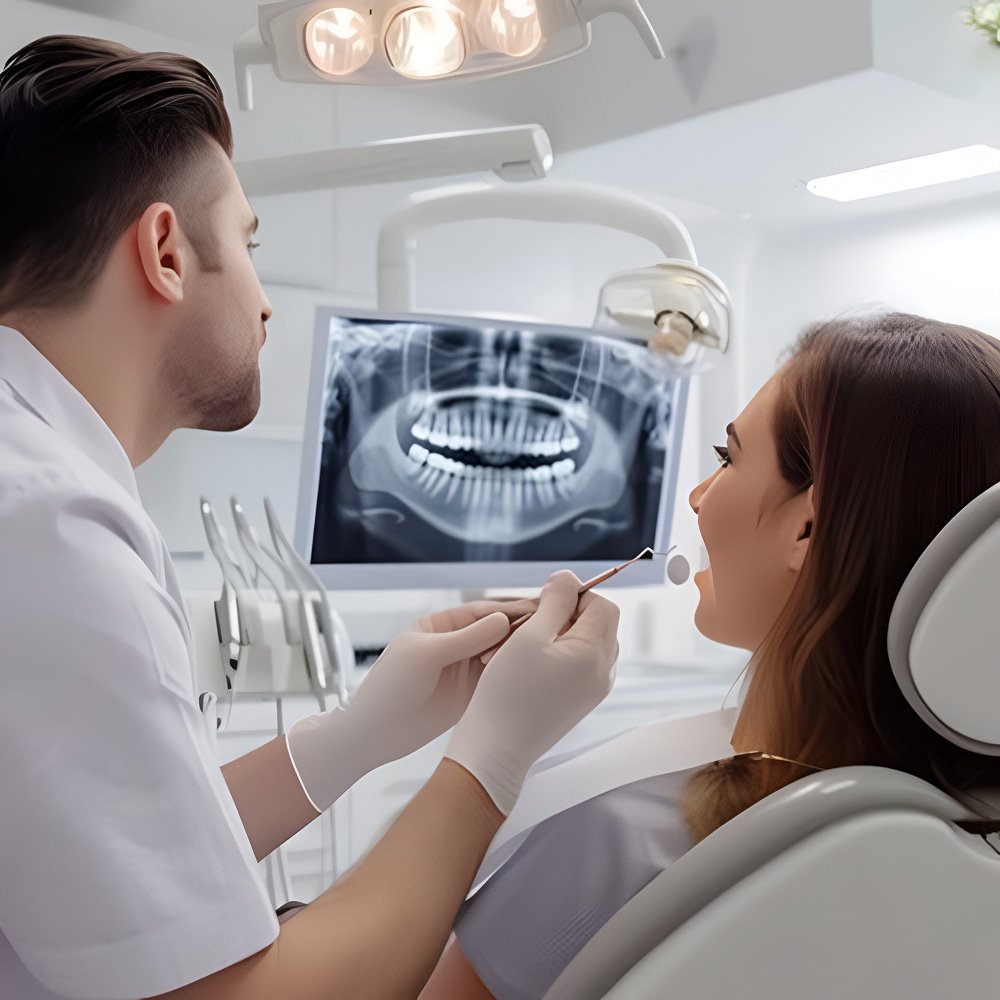
Assessment & X-ray The surgeon examines the tooth and reviews an X-ray to plan the approach.
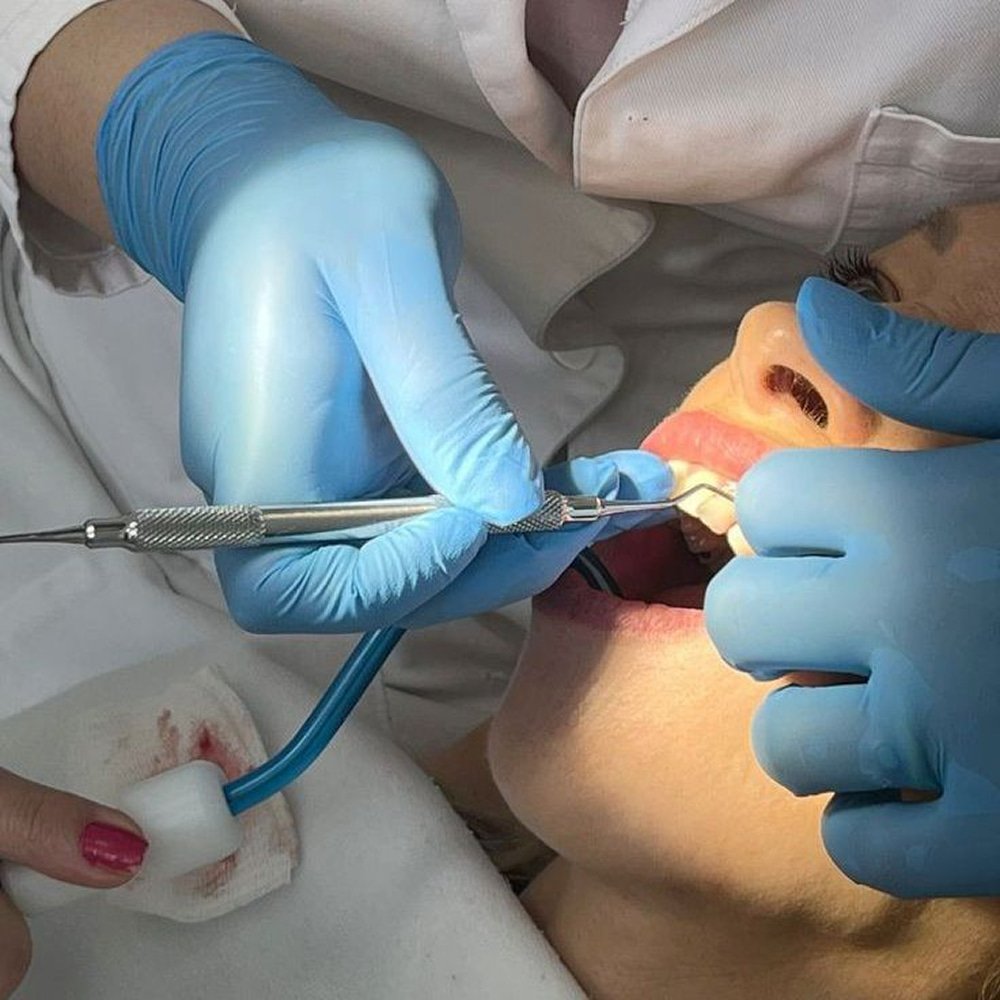
Anaesthetic The area is fully numbed; sedation is available if you’d prefer.
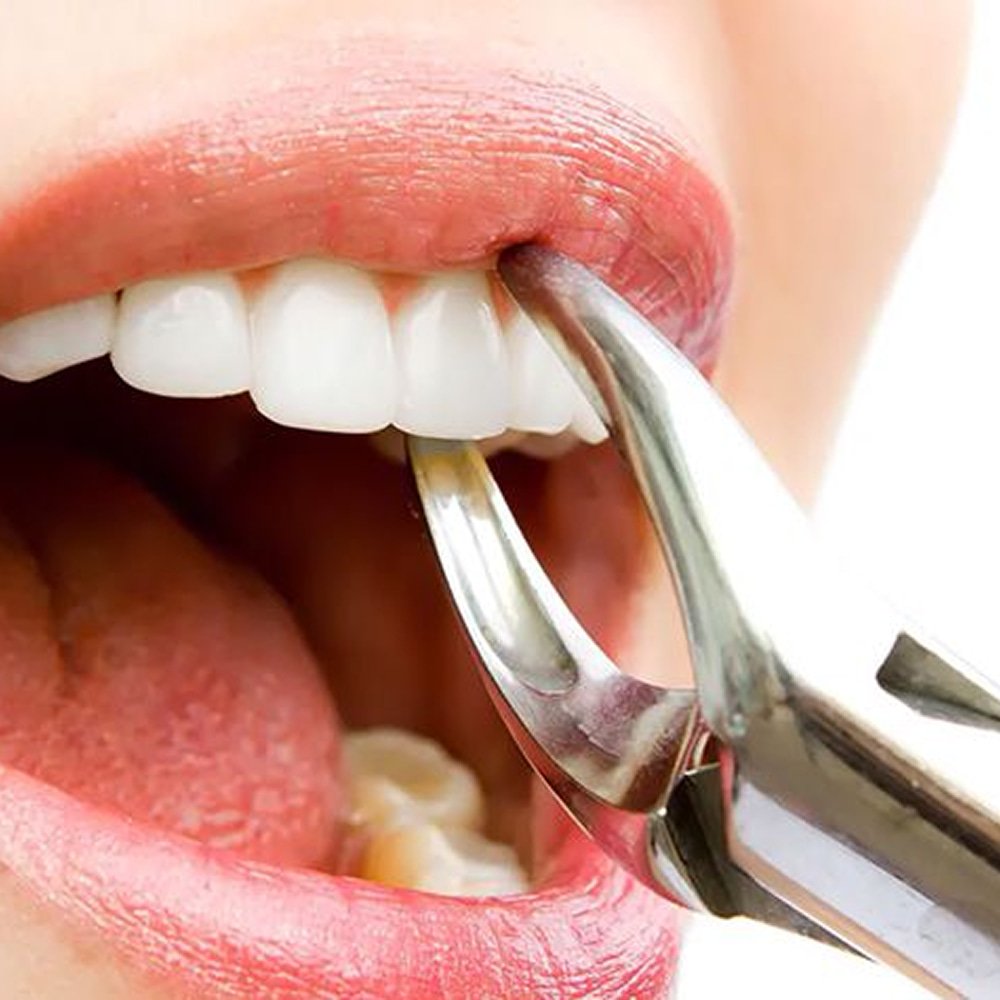
Extraction A small gum opening is made and the tooth removed, sectioned if needed.
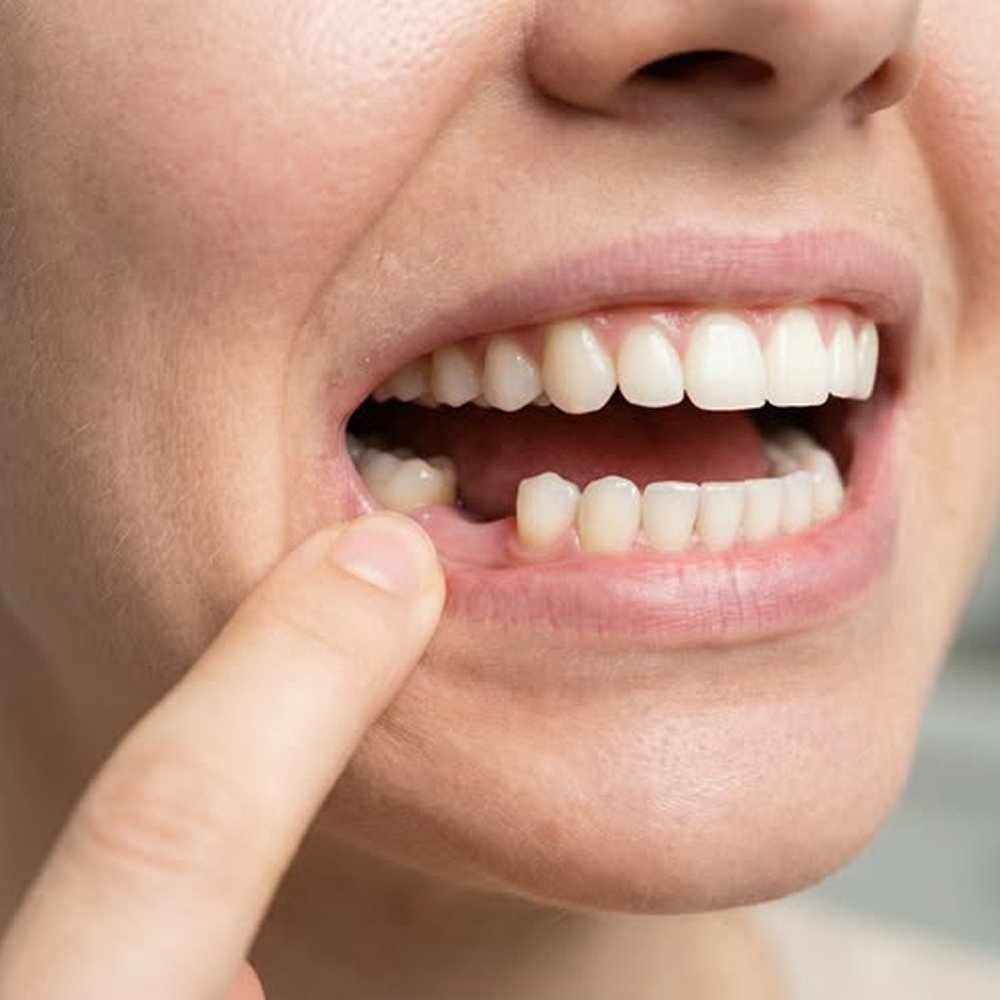
Closing the site The area is cleaned and any dissolvable stitches placed.
Aftercare guidance We give you clear instructions to support smooth, comfortable healing.
Who Needs a Surgical Extraction?
- A tooth has broken off at or below the gum
- A previous extraction left a root behind
- A tooth is impacted or hasn't come through fully
- An X-ray shows roots that make a simple extraction difficult
Trusted by Families Across UAE
EXCELLENTTrustindex verifies that the original source of the review is Google. Amazing clinic and friendly stuff 🌟 recommended!Posted on GoogleTrustindex verifies that the original source of the review is Google. Best clinic ever Best doctor Zana Beatifull receptionist Loren and DoniaPosted on GoogleTrustindex verifies that the original source of the review is Google. Best experience with Dr.RagheedPosted on GoogleTrustindex verifies that the original source of the review is Google. I have been suffering from hyper pigmentation from long time, I tried many clinics and no one gave me results as good as Doctor Zana, he is professional and I noticed a difference in my skin from the very first session. The staff is very nice and kind as well.Posted on GoogleTrustindex verifies that the original source of the review is Google. Great laser service with very friendly staff and amazing results. Definitely recommend this clinic!Posted on GoogleTrustindex verifies that the original source of the review is Google. خدمات العيادة جدا جميلة والناس الي يشتغلون فيها جدا خلوقين .. وايد حابة النتيجةPosted on GoogleTrustindex verifies that the original source of the review is Google. Good calm place .helpful staff..excellent servicePosted on GoogleTrustindex verifies that the original source of the review is Google. Excellent service. Very caring, very good higyn, excellent productsPosted on GoogleTrustindex verifies that the original source of the review is Google. Amazing skin service and very professional staff. I am very happy with the results — The team was friendly, knowledgeable, and made the whole experience comfortable. Definitely recommend!Posted on GoogleTrustindex verifies that the original source of the review is Google. The laser session with muna was very good she is very profeesional , even the receptionist she is very nice and welcoming
Recovery & Aftercare
- First 24 hours: rest, avoid rinsing vigorously, and follow instructions on the gauze and any swelling.
- Eating: soft, cool foods at first; avoid the extraction site when chewing.
- Protect the clot: avoid smoking, straws and spitting forcefully, which can disturb healing and cause a painful dry socket.
- Comfort: mild swelling and tenderness are normal for a few days; we'll advise on pain relief.
- Call us if you have heavy bleeding, increasing pain or signs of infection.
Considering Other Surgical Treatments?
- Wisdom Teeth Extraction — surgical removal of impacted wisdom teeth
- Dental Implants — replacing a tooth after extraction
- Immediate Implants — implant placed at the time of extraction
Comfortable Removal of Difficult Teeth

Frequently Asked Questions
Does a surgical extraction hurt?
How long does recovery take?
Will I need stitches?
What is a dry socket and how do I avoid it?
Can I be sedated for the procedure?
How much does it cost?