
Composite Fillings in Dubai
Natural, Tooth-Coloured Repair
Composite Fillings in Dubai
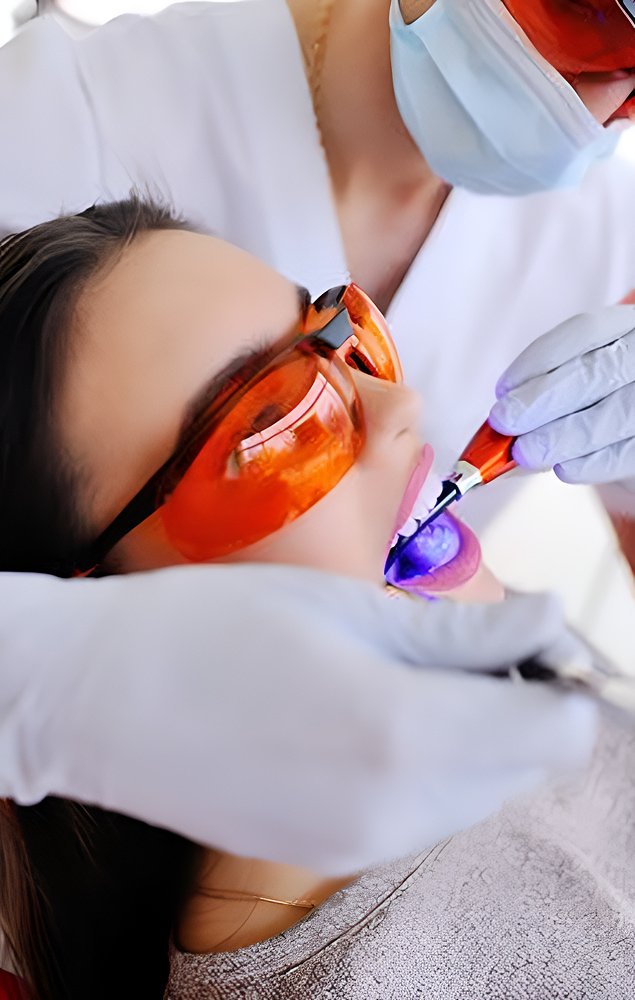
A composite filling restores a tooth affected by decay, a chip, or a small fracture using a tooth-coloured resin that bonds directly to the tooth and is shaded to match your natural enamel. Unlike older silver (amalgam) fillings, composite blends in, so the repair stays discreet even on front teeth.
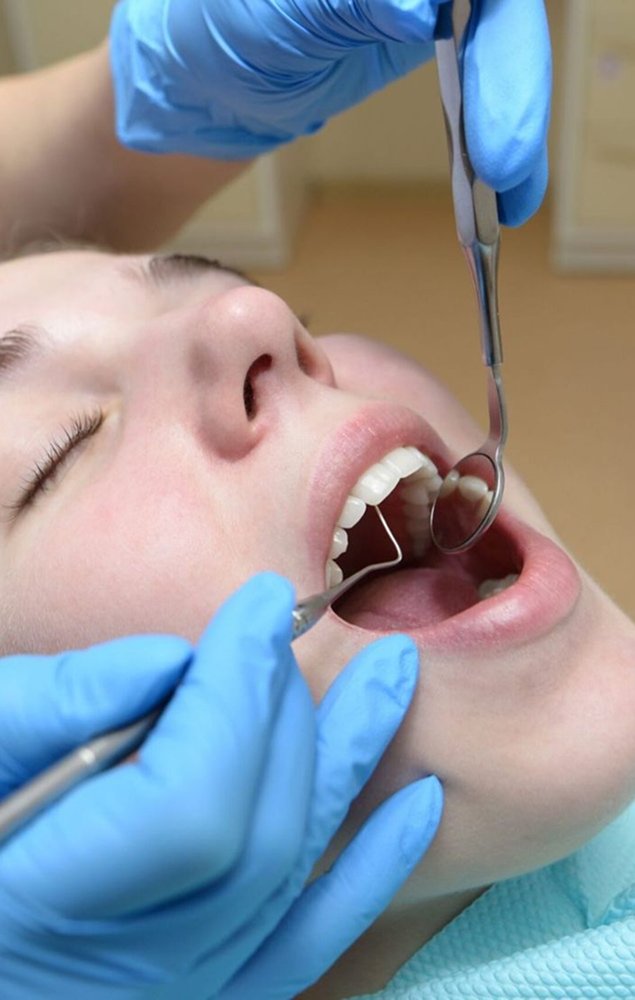
At Pure White, our dentists in Mirdif use composite fillings for everything from small cavities to reshaping worn or chipped edges. The material bonds to the tooth structure, which means less healthy tooth needs to be removed than with traditional metal fillings, a more conservative approach that many patients prefer.
If a tooth is more heavily damaged or the decay has reached the nerve, your dentist may recommend a different treatment such as root canal therapy or a crown, and will talk you through it at your visit.
How Composite Fillings Work
Composite is a resin material applied to the tooth in layers, then hardened with a curing light. Because it bonds chemically to enamel and dentine, it supports the remaining tooth rather than just sitting inside it. Your dentist shapes and polishes the final result so it matches the contour and shade of the surrounding teeth.
The whole process is usually completed in a single visit.
What Composite Fillings Can Treat
- Small to medium cavities from tooth decay
- Chipped or fractured teeth
- Worn edges and minor reshaping
- Small gaps between teeth (in suitable cases)
- Replacing old, worn, or discoloured fillings
For larger cavities or a tooth that has lost significant structure, an inlay, onlay, or crown may be more durable — your dentist will advise.
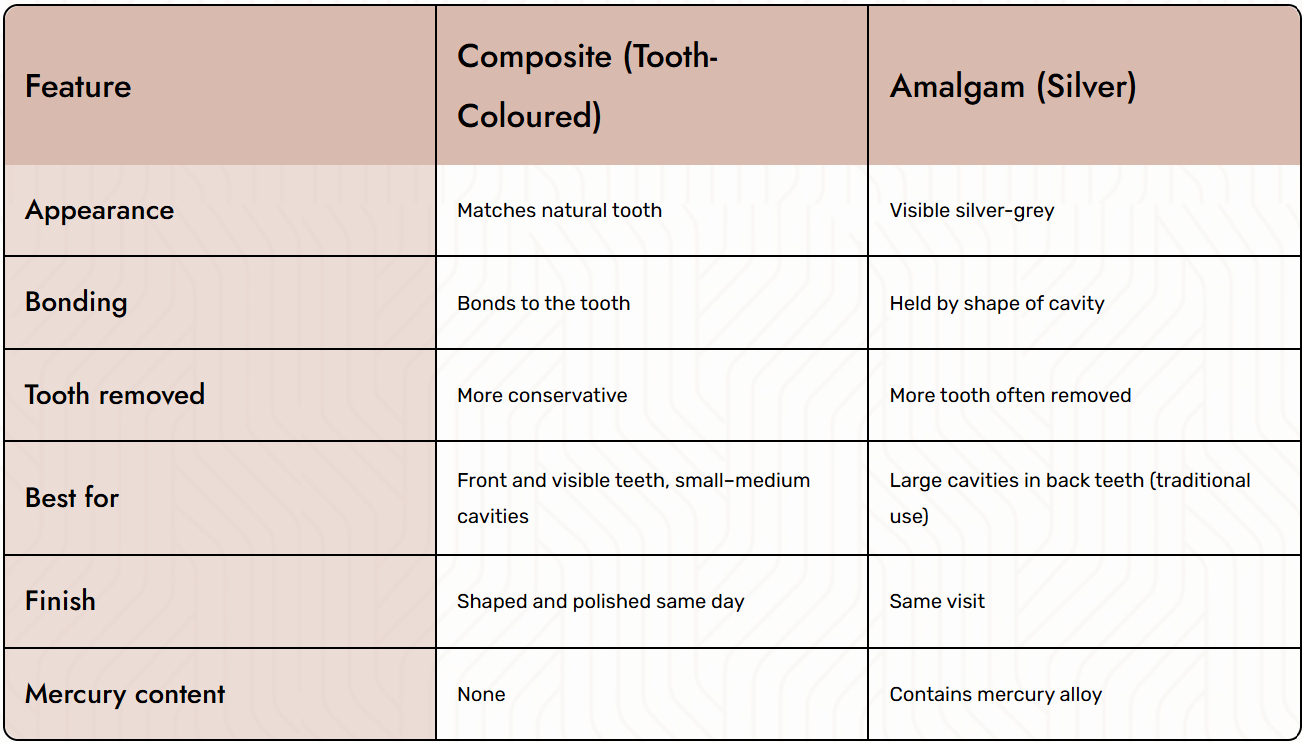
Composite VS Amalgam (Silver) Fillings
Both restore a decayed tooth. The difference is mostly appearance, bonding, and how much tooth is preserved.
Is this Right Choice for You?
- Anyone with a visible cavity who wants the repair to stay discreet
- Patients replacing old silver fillings for a more natural look
- People with chipped or worn front teeth needing minor reshaping
- Those who prefer a conservative approach that preserves more natural tooth
- Patients who want treatment done in one visit without lab-made parts
What to Expect During Treatment
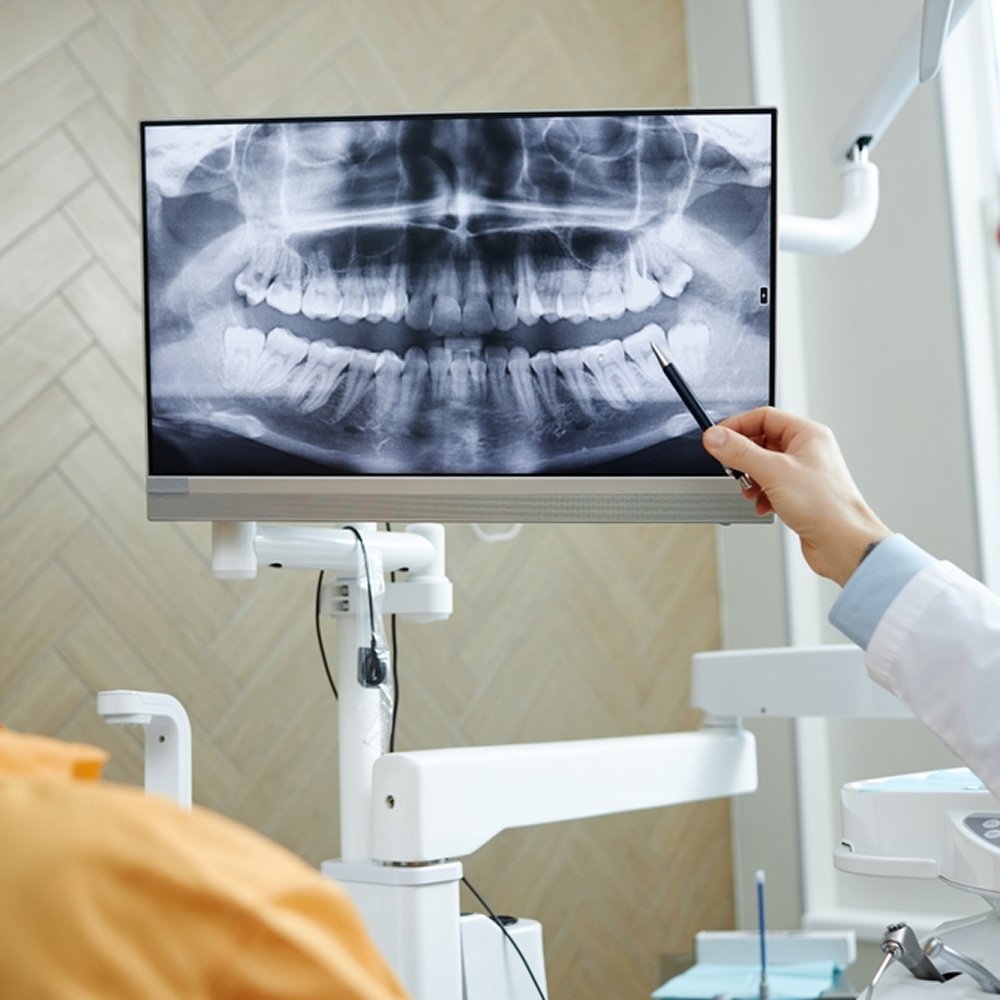
Examination Your dentist checks the tooth and may take an X-ray to see the extent of the decay or damage.
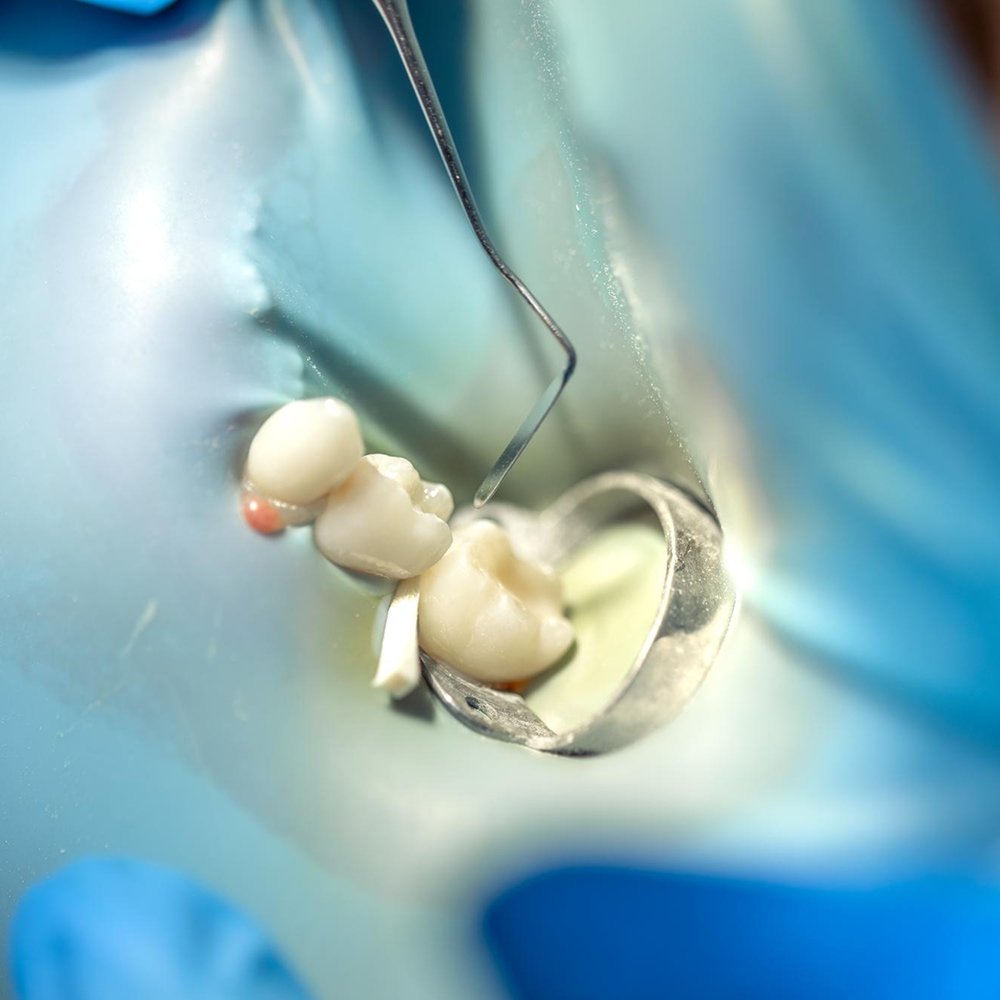
Preparation The area is numbed for comfort, and the decayed or damaged portion is gently removed.
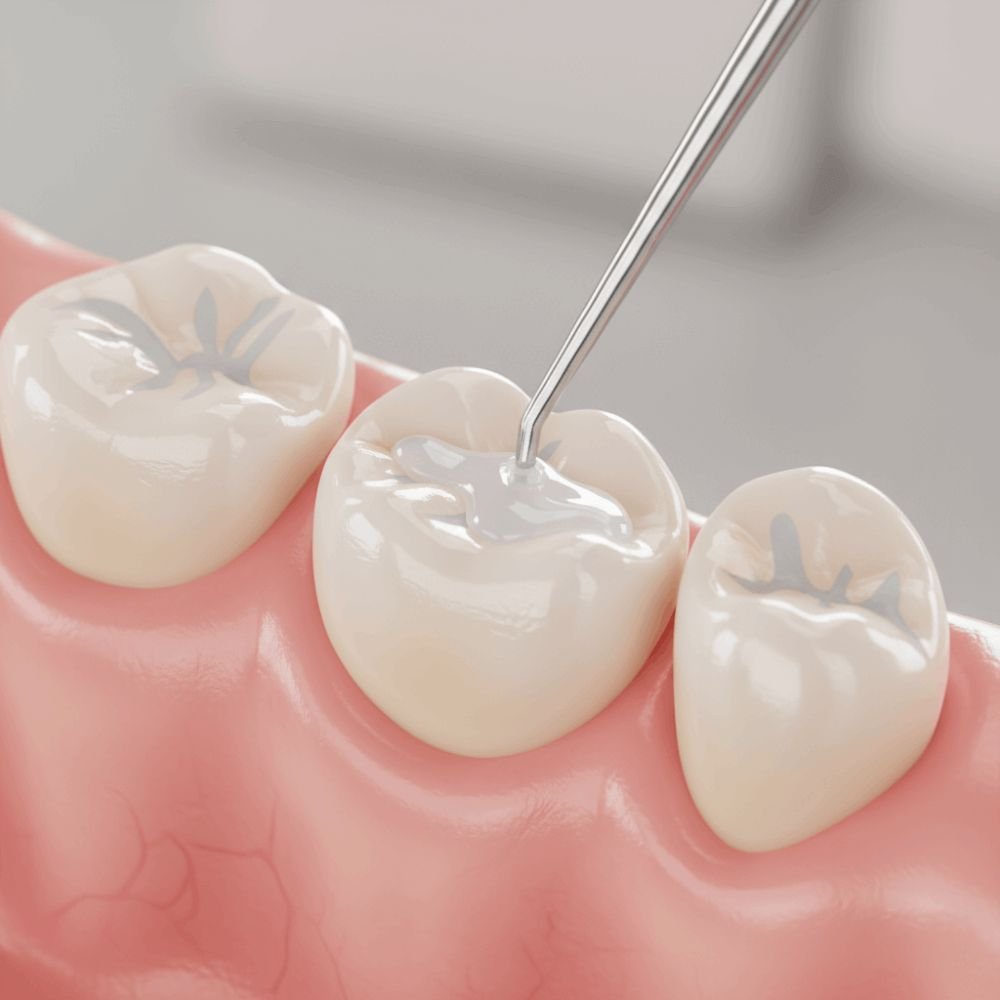
Placement The composite is applied in layers and hardened with a curing light, then bonded securely to the tooth.
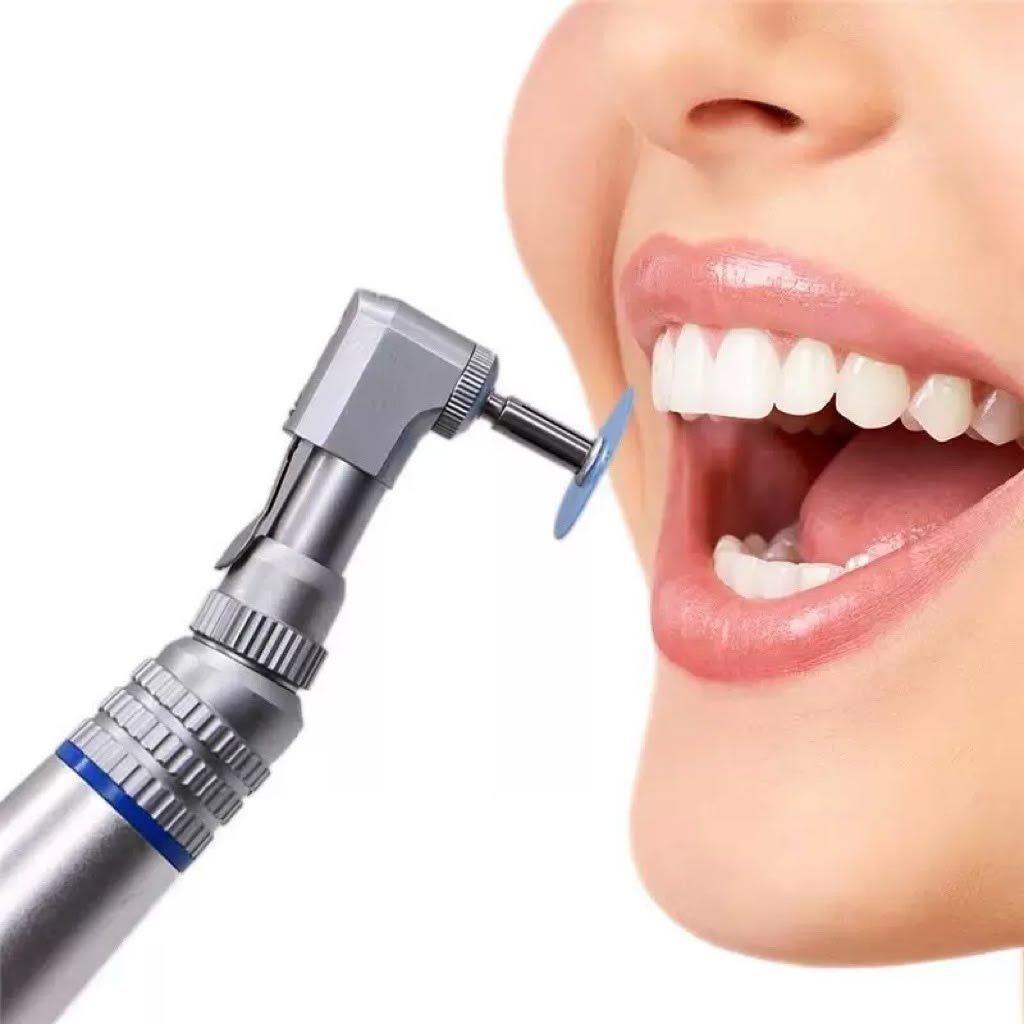
Shaping & Polishing The filling is shaped to match your bite and polished so it blends with the surrounding teeth.

Aftercare You’ll be able to eat and drink shortly after the numbness wears off, with simple care advice to follow.

Trusted by Families Across UAE
EXCELLENTTrustindex verifies that the original source of the review is Google. Amazing clinic and friendly stuff 🌟 recommended!Posted on GoogleTrustindex verifies that the original source of the review is Google. Best clinic ever Best doctor Zana Beatifull receptionist Loren and DoniaPosted on GoogleTrustindex verifies that the original source of the review is Google. Best experience with Dr.RagheedPosted on GoogleTrustindex verifies that the original source of the review is Google. I have been suffering from hyper pigmentation from long time, I tried many clinics and no one gave me results as good as Doctor Zana, he is professional and I noticed a difference in my skin from the very first session. The staff is very nice and kind as well.Posted on GoogleTrustindex verifies that the original source of the review is Google. Great laser service with very friendly staff and amazing results. Definitely recommend this clinic!Posted on GoogleTrustindex verifies that the original source of the review is Google. خدمات العيادة جدا جميلة والناس الي يشتغلون فيها جدا خلوقين .. وايد حابة النتيجةPosted on GoogleTrustindex verifies that the original source of the review is Google. Good calm place .helpful staff..excellent servicePosted on GoogleTrustindex verifies that the original source of the review is Google. Excellent service. Very caring, very good higyn, excellent productsPosted on GoogleTrustindex verifies that the original source of the review is Google. Amazing skin service and very professional staff. I am very happy with the results — The team was friendly, knowledgeable, and made the whole experience comfortable. Definitely recommend!Posted on GoogleTrustindex verifies that the original source of the review is Google. The laser session with muna was very good she is very profeesional , even the receptionist she is very nice and welcoming

Living with Composite Fillings
- Eating: you can eat normally once any numbness fades; there's no long waiting period.
- Cleaning: brush and floss as usual — filled teeth are cared for exactly like natural teeth.
- Staining: composite can pick up slight staining over years from coffee, tea, and smoking; good hygiene and regular cleaning help.
- Longevity: composite fillings last for years with proper care, and can be repaired or replaced when needed.
Considering Other Treatments?
- Root Canal Treatment — for decay or infection that has reached the nerve
- Scaling & Polishing — professional cleaning to prevent future decay
- Restorative & Preventive Overview — the full range of restorative options
Meet Your Orthodontist in Mirdif



Ready to Restore your Smile?

Frequently Asked Questions
Are composite fillings safe?
Do composite fillings look natural?
How long do composite fillings last?
Does getting a filling hurt?
Can I replace my old silver fillings with composite?
Can I eat straight after a composite filling?