Wisdom Teeth Removal in Dubai
Relief from Pain and Impaction
Painful, impacted or crowding wisdom teeth assessed and removed gently by our oral surgeon at Mirdif clinic, with sedation available for an easier experience.
Wisdom Teeth Removal in Dubai
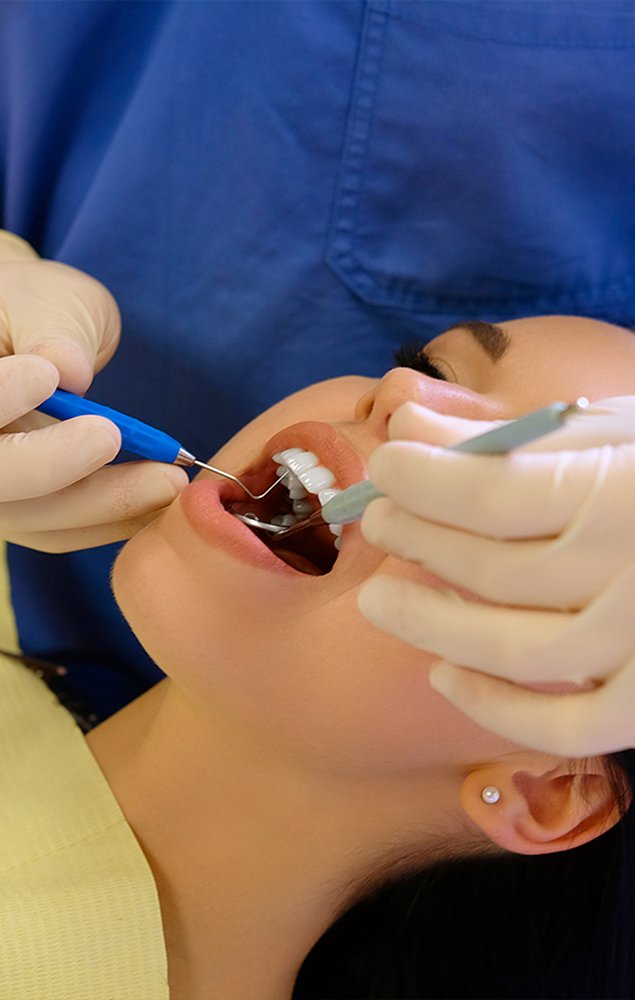
Wisdom teeth, the third molars at the very back of the mouth — usually appear in the late teens or early twenties, often when there’s no longer room for them. When they can’t come through properly, they become impacted: stuck against the neighbouring tooth, the bone or the gum. That’s when problems start — pain, swelling, infection, and pressure on the rest of the teeth.
Not every wisdom tooth needs removing. But when one is causing pain, repeated infections, or threatening the health of the teeth around it, taking it out is usually the right move — and the relief afterward is significant.
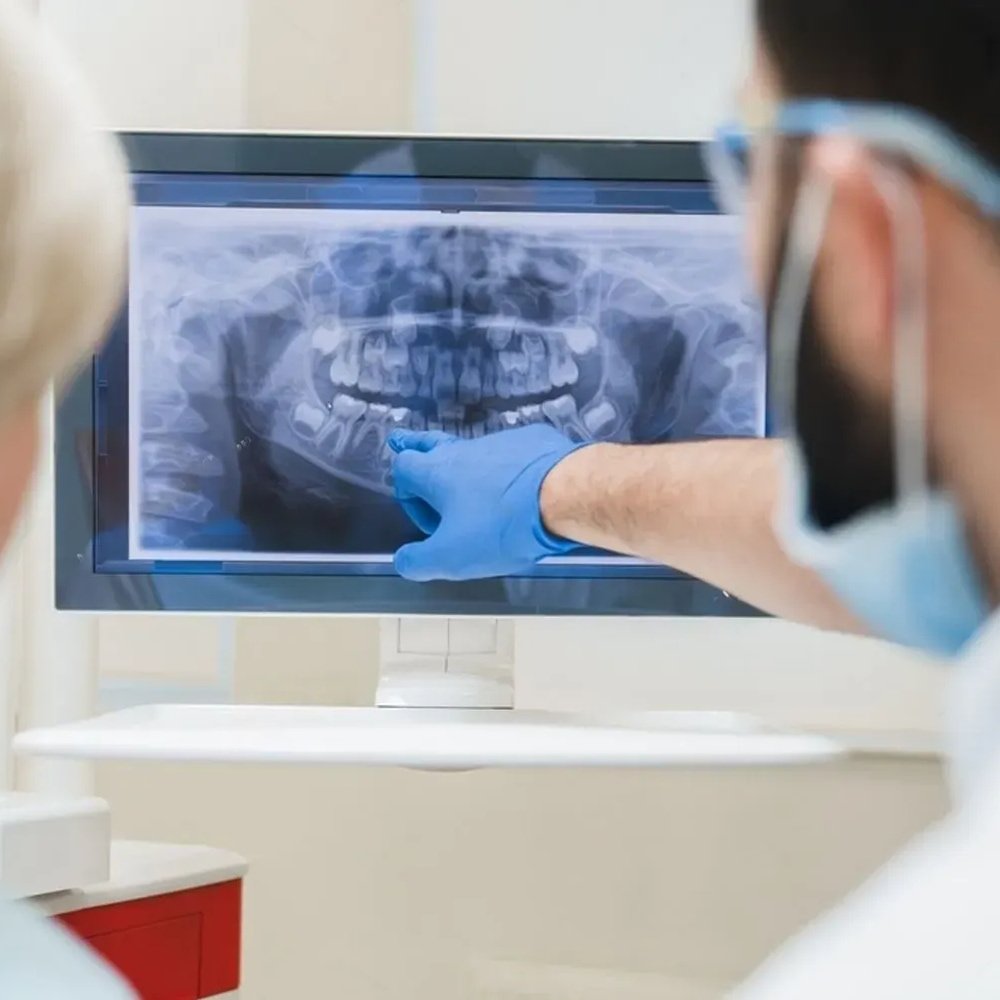
At Pure White, our oral surgeon in Mirdif assesses wisdom teeth with X-rays and removes problem ones gently, with sedation available for a calmer, more comfortable experience.
How Wisdom Teeth Removal Works
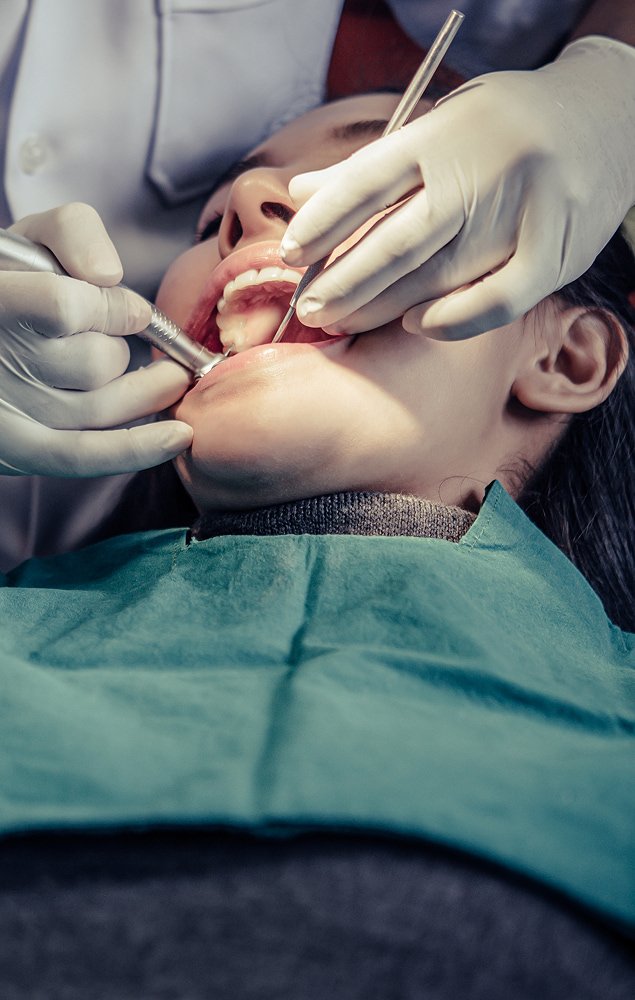
The approach depends on how the tooth sits. A wisdom tooth that has come through fully may be removed much like any other tooth. An impacted one, partly or fully below the gum, usually needs a surgical extraction: a small gum opening, sometimes dividing the tooth into sections so it can be removed through a smaller space, then cleaning the site and placing a few dissolvable stitches.
The whole procedure is done under local anaesthetic, with sedation available. Careful planning from the X-ray means the surgeon knows exactly how the tooth and its roots are positioned before starting.
Types of Impaction
- Erupted — fully through; often a simpler removal
- Soft-tissue impaction — covered by gum
- Partial bony impaction — partly stuck in the jawbone
- Full bony impaction — fully encased in bone; most involved
Your surgeon will explain which applies to you and what it means for the procedure.
Is It Better to Remove Wisdom Teeth Early?
Removing Earlier
Leaving / Removing Later
Roots
Less developed, often simpler
Fully formed, can be more involved
Healing
Generally quicker in younger patients
May take a little longer
Risk of problems
Prevented before they start
Pain or infection may already be present
When advised
Clear signs of impaction or crowding
Healthy, fully erupted, causing no issues
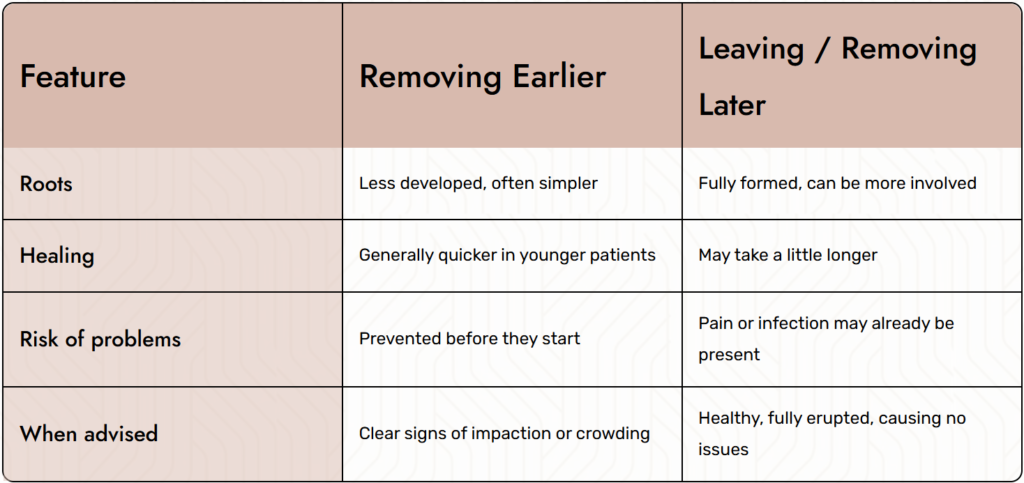
There’s no need to remove healthy, problem-free wisdom teeth. But when impaction or symptoms are present, dealing with them sooner is often easier than waiting. The surgeon will give you a clear recommendation.
What to Expect
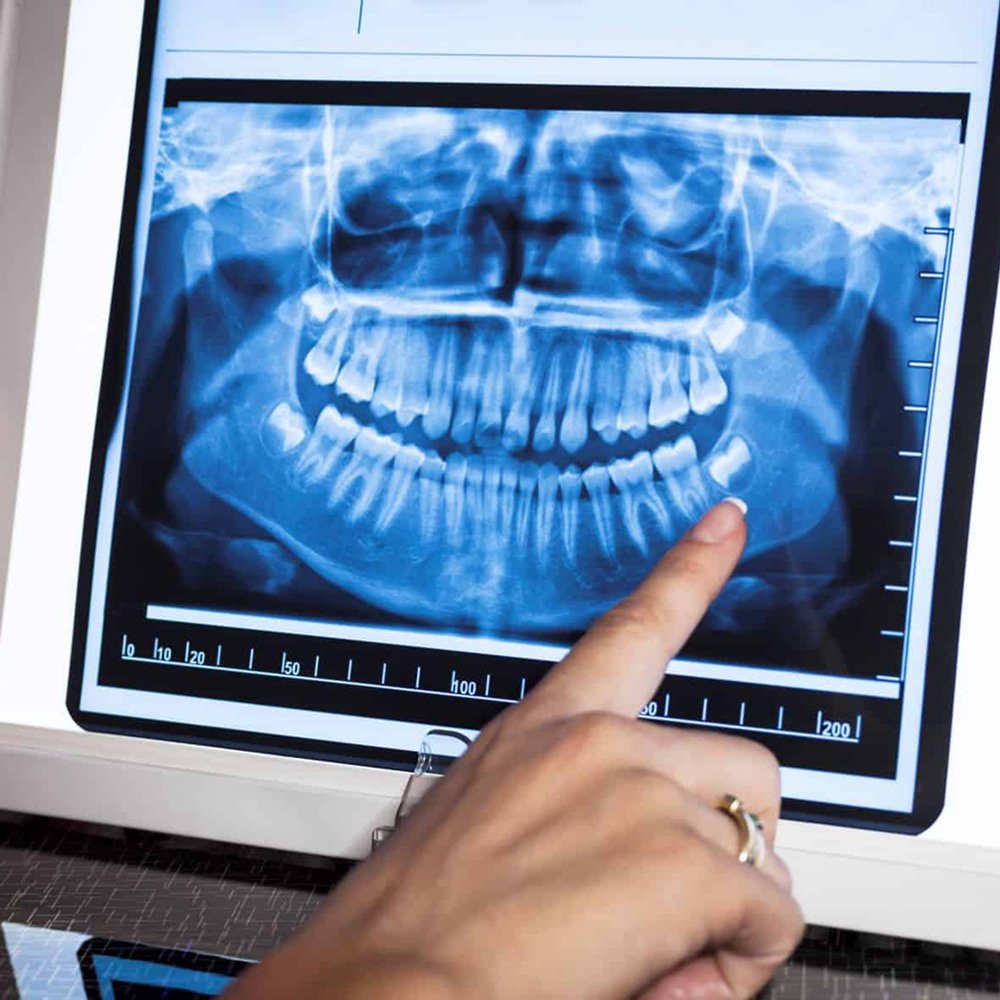
Consultation & X-ray The surgeon assesses the wisdom teeth and reviews an X-ray (or 3D scan) to plan removal.
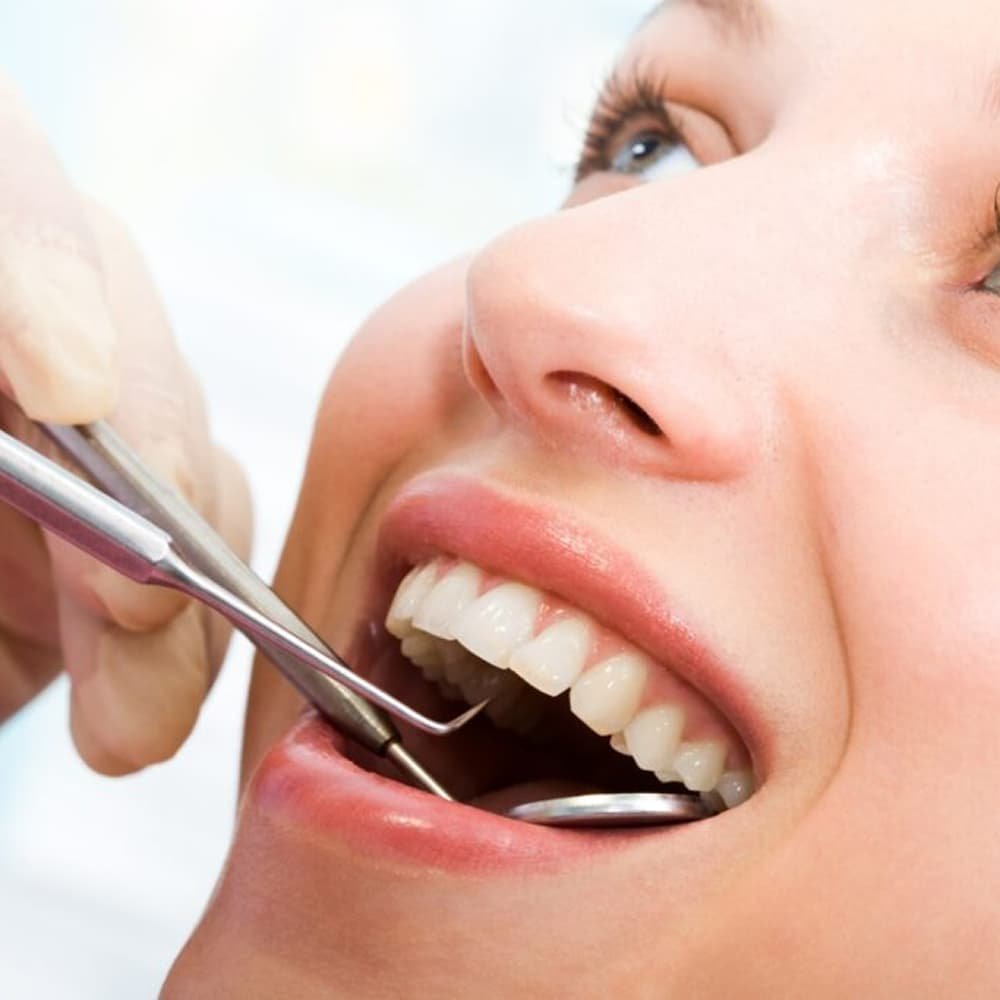
Anaesthetic / sedation The area is fully numbed; sedation is available for a more relaxed experience.
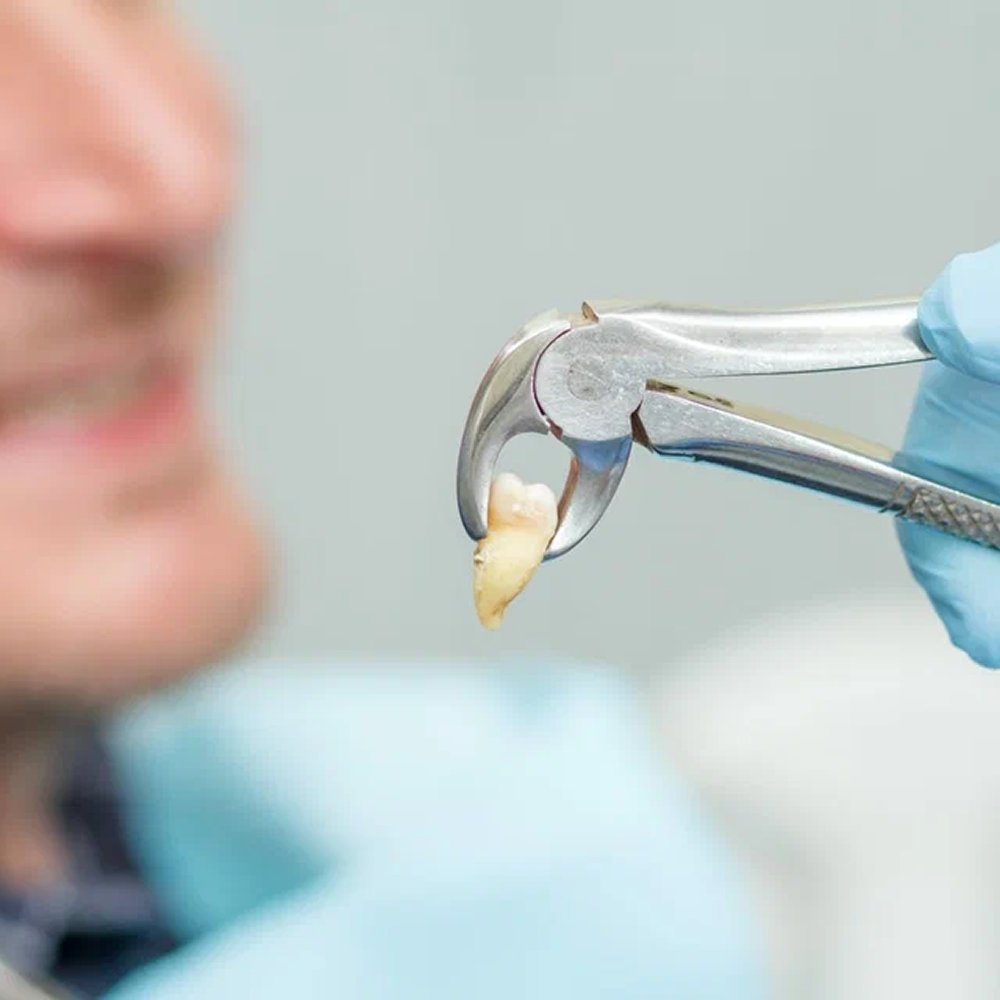
Extraction The tooth is removed — surgically if impacted — in a planned, careful way.
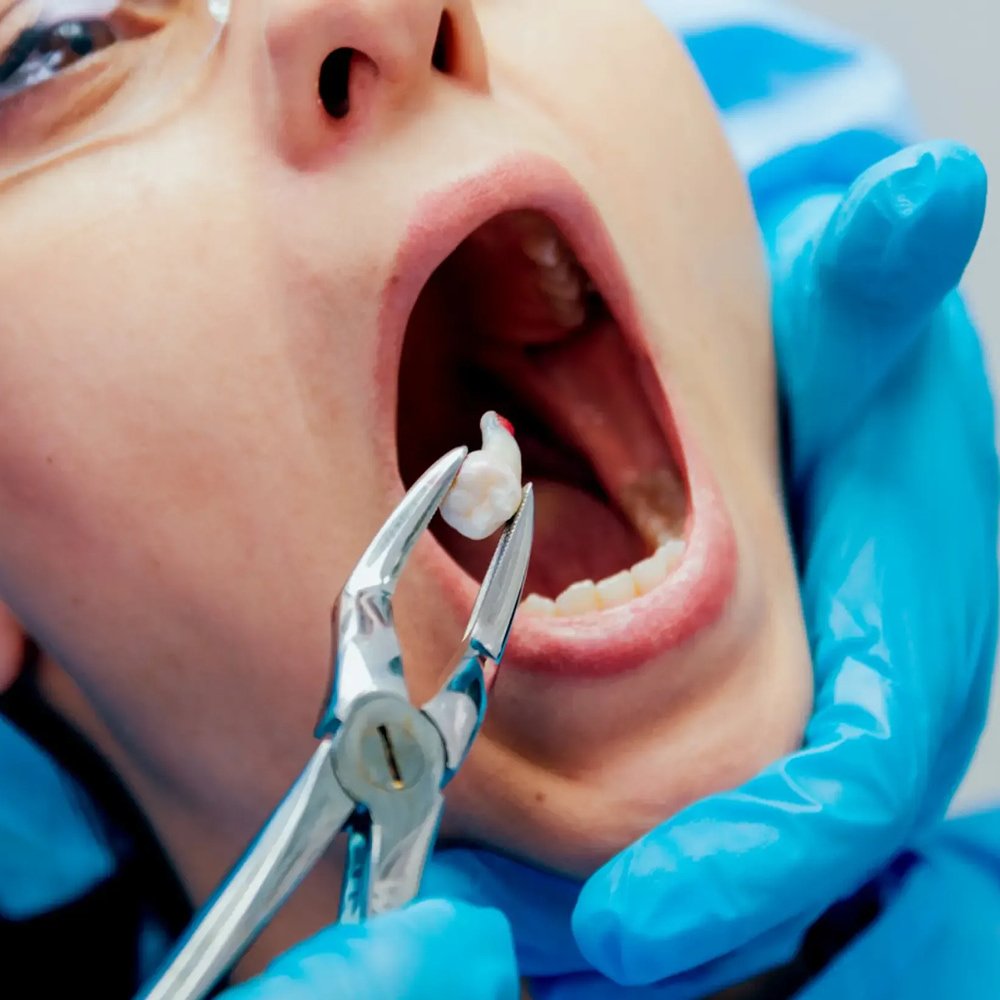
Closing the site The area is cleaned and dissolvable stitches placed if needed.
Recovery guidance Clear aftercare instructions to manage swelling and support healing.
Signs Your Wisdom Teeth May Need Removing
- Pain or aching at the back of the jaw
- Swelling or tenderness around the gum
- Repeated infections or a bad taste near the area
- Difficulty opening the mouth or discomfort when biting
- Food repeatedly trapping behind the back teeth
- Crowding or pressure on the neighbouring teeth
If you’re noticing any of these, an assessment with an X-ray will show what’s happening below the gum and whether removal is needed.
Trusted by Families Across UAE
EXCELLENTTrustindex verifies that the original source of the review is Google. Amazing clinic and friendly stuff 🌟 recommended!Posted on GoogleTrustindex verifies that the original source of the review is Google. Best clinic ever Best doctor Zana Beatifull receptionist Loren and DoniaPosted on GoogleTrustindex verifies that the original source of the review is Google. Best experience with Dr.RagheedPosted on GoogleTrustindex verifies that the original source of the review is Google. I have been suffering from hyper pigmentation from long time, I tried many clinics and no one gave me results as good as Doctor Zana, he is professional and I noticed a difference in my skin from the very first session. The staff is very nice and kind as well.Posted on GoogleTrustindex verifies that the original source of the review is Google. Great laser service with very friendly staff and amazing results. Definitely recommend this clinic!Posted on GoogleTrustindex verifies that the original source of the review is Google. خدمات العيادة جدا جميلة والناس الي يشتغلون فيها جدا خلوقين .. وايد حابة النتيجةPosted on GoogleTrustindex verifies that the original source of the review is Google. Good calm place .helpful staff..excellent servicePosted on GoogleTrustindex verifies that the original source of the review is Google. Excellent service. Very caring, very good higyn, excellent productsPosted on GoogleTrustindex verifies that the original source of the review is Google. Amazing skin service and very professional staff. I am very happy with the results — The team was friendly, knowledgeable, and made the whole experience comfortable. Definitely recommend!Posted on GoogleTrustindex verifies that the original source of the review is Google. The laser session with muna was very good she is very profeesional , even the receptionist she is very nice and welcoming
Recovery & Aftercare
Recovery from wisdom teeth removal is very manageable with care in the first few days:
- First 24 hours: rest, use any cold compress as advised for swelling, and avoid disturbing the area.
- Eating: soft, cool foods to begin; reintroduce normal foods as comfort allows.
- Protect the clot: no smoking, straws or forceful rinsing — these raise the risk of a painful dry socket.
- Swelling: some swelling and stiffness for a few days is normal and eases steadily.
- Hygiene: keep the mouth clean with gentle rinsing as instructed once the first day has passed.
- Call us: if pain worsens after a few days, or you notice heavy bleeding or signs of infection.
Most people take it easy for a day or two and recover comfortably over the following week.
Considering Other Surgical Treatments?
- Dental Implants: the conventional staged approach
- Surgical Tooth Extraction: gentle removal of difficult teeth
- Immediate Implants : implant placed at the time of extraction
Relief from Painful Wisdom Teeth
If your wisdom teeth are causing pain or pressure, our oral surgeon in Mirdif can assess them and remove the problem ones gently. Book a consultation to find out where you stand.

Frequently Asked Questions
Do all wisdom teeth need to be removed?
No. Healthy wisdom teeth that have come through properly and aren’t causing problems can usually be left. Removal is recommended when there’s pain, impaction, infection or crowding.
Is wisdom teeth removal painful?
The area is fully numbed, so you shouldn’t feel pain during the procedure, and sedation is available. Some swelling and tenderness afterward is normal and settles within a few days.
How long is recovery?
Most people rest for a day or two and recover comfortably over about a week. Following the aftercare instructions makes a big difference.
Can I be sedated?
Yes — sedation is available alongside local anaesthetic, which many patients prefer for wisdom teeth, especially impacted ones.
What is a dry socket?
A painful condition where the healing clot is dislodged. Avoiding smoking, straws and forceful rinsing in the first days greatly reduces the risk.
How much does wisdom teeth removal cost in Dubai?
It depends on how many teeth are removed and how impacted they are. We’ll give you a clear quote after the assessment and X-ray.